Models
Supercar, hypercar or grand tourer: what the terms mean, with real examples from each marque
A grand tourer is built for fast, comfortable distance, a supercar puts track-like performance on the road, and a hypercar is a limited-run extreme above it. Only the racing Hypercar class has written rules.
By the My Hangar editorsPublished 5 min read
Key takeaways
- No law or regulator defines a road-going supercar, hypercar or grand tourer; the labels come from usage and marketing.
- The 1929 Alfa Romeo 6C 1750 was the first car named gran turismo, and the English term spread in the 1950s.
- The Lamborghini Miura of 1966 is often called the first supercar, although American magazines used the word for muscle cars in the 1960s.
- A hypercar is usually a limited-production car above the supercar; Bugatti, for example, prefers its own label, hyper sports car.
- Hypercar has one precise meaning in racing: the top World Endurance Championship class, created by the ACO and FIA, which began in 2021.
A grand tourer is built to cover long distances quickly and comfortably. A supercar brings race-track levels of power and handling to the road. A hypercar is a limited-production extreme above the supercar. None of these road-car labels has a legal definition; the only rulebook meaning is the Hypercar racing class, in use since 2021.
What is a grand tourer?
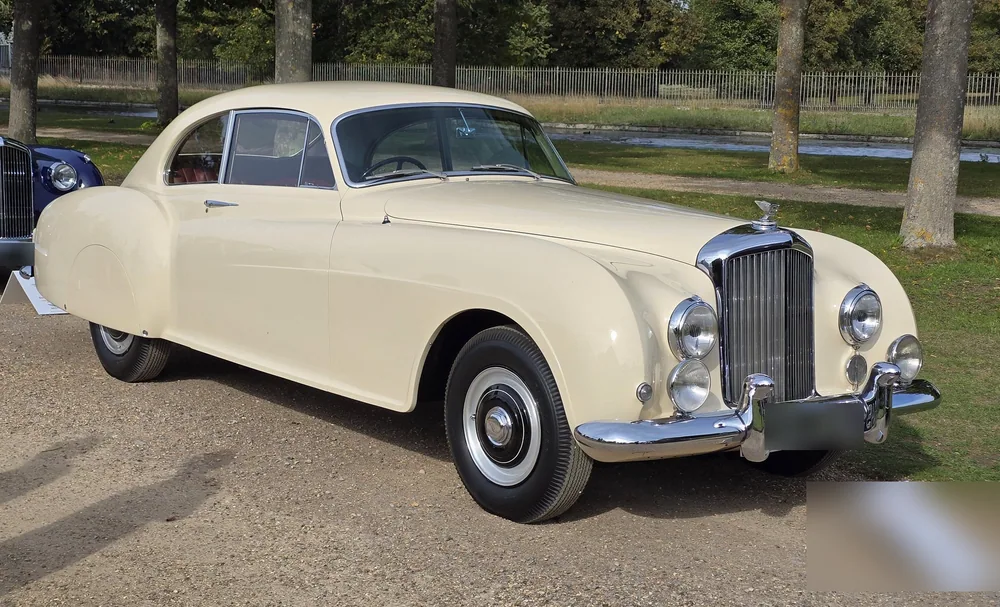
A grand tourer, or GT, puts comfort and distance ahead of outright lap times. The classic form is a front-engined, rear-wheel-drive two-door with two seats or a 2+2 layout, softer suspension and room for luggage.
The phrase is a near-copy of the Italian gran turismo. The 1929 Alfa Romeo 6C 1750 was the first car to carry the name, and the idea took hold in Europe in the early 1950s with cars such as the 1951 Lancia Aurelia B20 GT. Marketing has since stretched it, and a GT badge on a car no longer proves much.
Today's clearest examples are the Bentley Continental GT, the Aston Martin DB12 and the Ferrari Amalfi, a 640 PS front-mid-engined V8 with a 2+2 body that succeeds the Roma. Aston Martin itself markets the DB12 as the world's first super tourer, a sign of how freely these words move.
What is a supercar?
A supercar is a road-legal sports car with race-track-like power, speed and handling, plus a prestige that is partly subjective. Usually that means a low, mid-engined car with eight or more cylinders, as evo describes today's meaning, although Ferrari's 830 PS hybrid V6 296 shows that the cylinder count is no longer a rule.
The word is older than the Miura. Its earliest dated uses listed by Wikipedia are in American magazines of 1965 and 1968, describing muscle cars. In Europe, the Lamborghini Miura of 1966 is often called the first supercar, and evo credits its Turin rolling chassis of 1965 with the birth of the genre. See how the Miura and Countach defined the supercar.
What is a hypercar?
A hypercar is usually a limited-production, top-of-the-line supercar, in the wording of The Drive cited by Wikipedia, and the same page says the term has no set definition. No agreed power, price or production threshold exists.
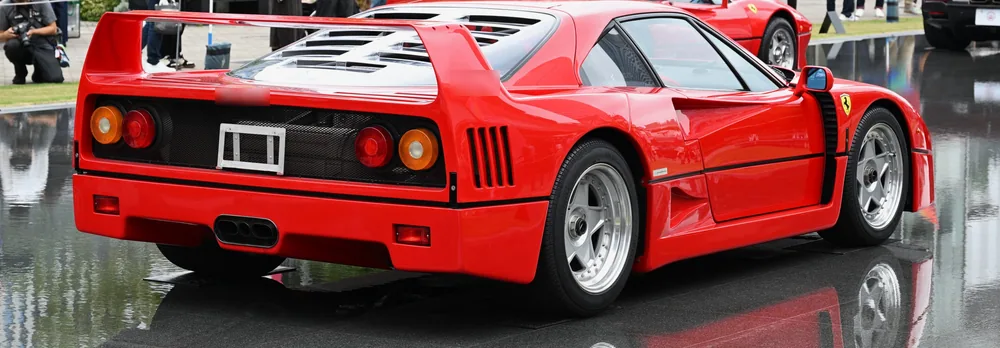
The boundary has also moved backwards. Evo calls the F80 the sixth car in Ferrari's hypercar lineage, in a piece that also calls those same cars supercars, and Wikipedia names the F40, F50 and Enzo line among its examples, while some observers look back to the 1993 McLaren F1. You can read the F40 story with that in mind.
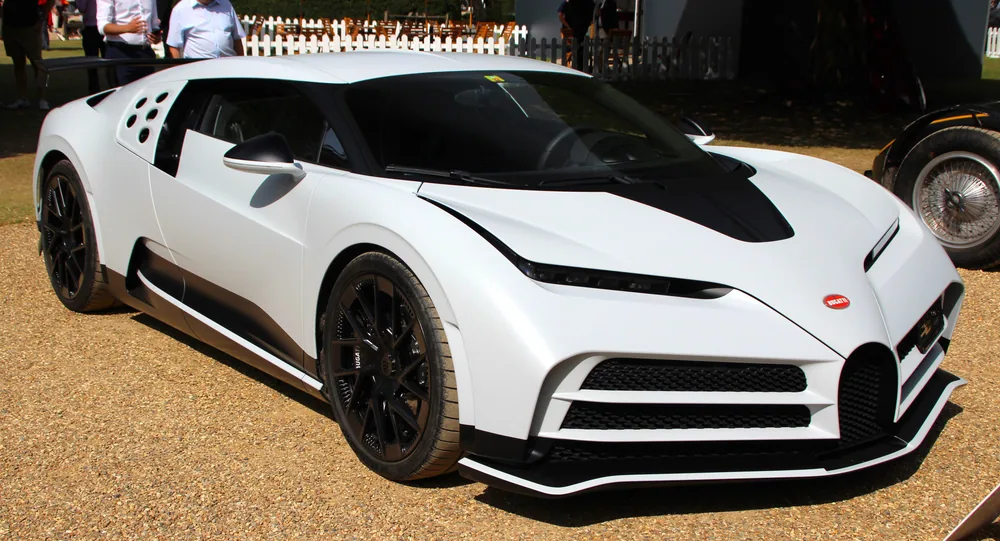
Makers do not always use the word themselves. Bugatti calls the Centodieci a hyper sports car. Hard numbers help more than labels: compare production figures for the rarest modern hypercars.
Does any rulebook define hypercar?
Only in motorsport. The Hypercar class of the World Endurance Championship was written jointly by the ACO and the FIA as the successor to LMP1, and it began in the 2021 season. Maximum output is 500 kW and minimum weight is 1,030 kg.
A racing Hypercar, then, is a different thing from a road hypercar. The Lamborghini SC63 was built for that class with a combined 500 kW, about two-thirds of the output of a Revuelto road car at 1,015 PS. Ferrari's 499P won Le Mans in this class in 2023, 2024 and 2025.
Which cars fit each label, marque by marque?
The table is our own classification, based on layout, purpose and production run, not a label any manufacturer has signed off. A dash means we found no clear current or recent example, not that none could exist.
| Marque | Supercar | Hypercar | Grand tourer |
|---|---|---|---|
| Ferrari | 296 | F80 (799 planned) | Amalfi |
| Lamborghini | Temerario | Sián FKP 37 (63 + 19) | 350 GT |
| Porsche | — | 918 Spyder (918 built) | — |
| Bentley | — | — | Continental GT |
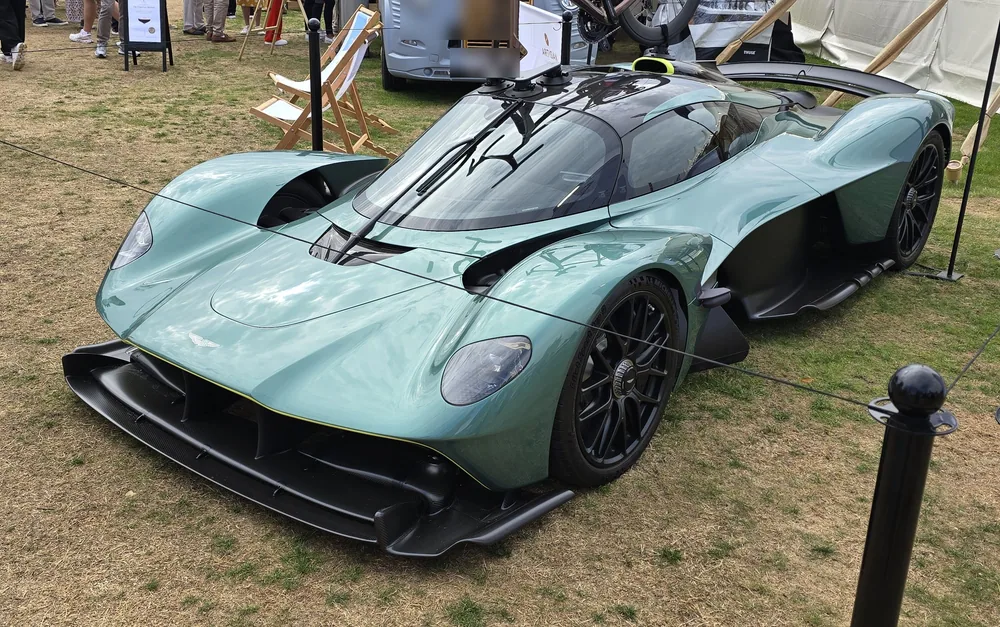
| Aston Martin | — | Valkyrie | DB12 |
| McLaren | 750S | W1 (399 planned) | GT and GTS |
| Bugatti | EB110 | Centodieci (10) | — |
| Maserati | MC20, now MCPura | MC12 (50 road cars) | GranTurismo |
| Rolls-Royce | — | — | Wraith |
| Pagani | — | Huayra | — |
| Koenigsegg | — | Jesko (125 planned) | — |
The McLaren line-up shows how these categories can live inside one maker: its GT was described as a two-seat grand tourer, yet it used a twin-turbo 4.0-litre V8 like the 720S sports car. McLaren's Sports, Super and Ultimate Series are its own way of sorting them.
Can one car be more than one type?
Yes. A Bentley Continental GT Speed reaches 782 PS, well above the 630 PS of a Maserati MC20, but keeps four seats and a front engine, so it stays a grand tourer. Layout and purpose separate these cars better than power does.
Practise spotting the difference in the My Hangar Aston Martin quiz, the Ferrari quiz or the Bugatti quiz.
FAQ
What is the difference between a supercar and a hypercar?
A hypercar is generally a rarer, more extreme, limited-production car positioned above a supercar. There is no fixed line between them in power, price or production, so the label is often a matter of opinion.
Is a grand tourer a supercar?
Usually not. A grand tourer is designed around comfort and long distances, typically with a front engine and space for luggage, while a supercar puts outright performance first. Some powerful GTs match supercars on output but keep the GT layout.
What was the first supercar?
The Lamborghini Miura of 1966 is the car most often named, and evo credits its 1965 chassis with the birth of the supercar. The word itself was already used in American magazines of 1965 for muscle cars.
Is the Hypercar class at Le Mans the same as a road hypercar?
No. The racing class has written ACO and FIA rules, including a 500 kW limit, and is a separate thing from limited-run road cars sold as hypercars.
Sources
- Supercar, Wikipedia
- Grand tourer, Wikipedia
- Le Mans Hypercar, Wikipedia
- Lamborghini Miura: how the original supercar was willed into existence, evo
- Ferrari hypercars: a history of the ultimate machines, evo
- Bugatti delivers the tenth and final Centodieci hyper sports car, Bugatti Newsroom
- Ferrari F80, Wikipedia
- Bentley Continental GT, Wikipedia
- DB12, Aston Martin
- Lamborghini SC63, Wikipedia
Every figure here was checked against at least two independent sources, listed at the end.